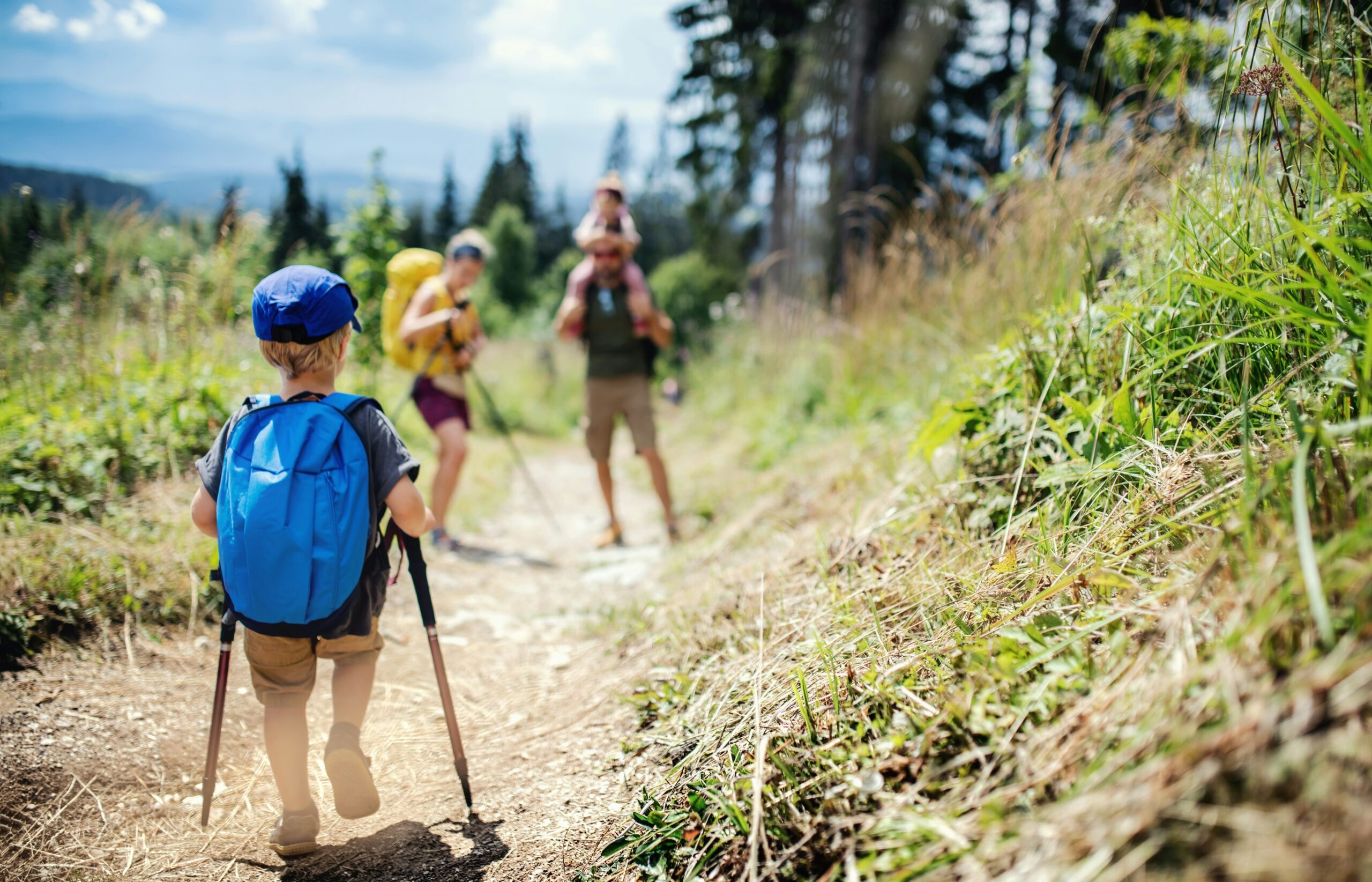
Hiking with kids can feel both exciting and intimidating, especially if you are new to family adventures outdoors. However, with the right mindset and preparation, hiking becomes one of the most rewarding ways to spend time together. Children gain confidence, curiosity, and a deeper connection to nature, while parents enjoy meaningful moments away from screens and daily routines. When you plan wisely and stay flexible, hiking with kids turns into a joyful experience rather than a stressful one.
Moreover, family-friendly hiking does not require extreme trails or expert skills. Instead, it focuses on comfort, fun, and safety. By keeping expectations realistic and embracing a sense of play, families can build memories that last far beyond the trailhead. Hiking with kids is not about distance or speed; it is about shared discovery.
Choosing the Right Trail for Your Family
The success of any hike often starts with choosing the right trail. When hiking with kids, shorter trails with gentle elevation changes work best. Children enjoy hikes more when the path feels manageable and not overwhelming. Therefore, look for trails with interesting features, such as streams, bridges, or scenic viewpoints, to keep them engaged.
Additionally, research trail conditions before heading out. Well-marked paths reduce confusion and help everyone feel confident. Because kids tire easily, loop trails or out-and-back routes allow you to turn around when needed. By choosing the right trail, you set a positive tone for the entire adventure.
Preparing Kids Before the Hike
Preparation begins long before you lace up your boots. Talk to your kids about the hike and what they can expect. When children understand where they are going and why, they feel more excited and involved. You can even show photos of the trail to spark curiosity.
At the same time, set simple expectations about walking, listening, and staying together. Keep the tone encouraging rather than strict. Because kids respond well to involvement, let them help pack snacks or choose a trail-friendly activity. This sense of ownership builds enthusiasm and cooperation on the trail.
Packing Smart Without Overpacking
Packing smart makes hiking with kids smoother and more enjoyable. Comfortable shoes, weather-appropriate clothing, and plenty of water are essential. Snacks play a huge role in keeping energy and moods steady, so bring easy-to-eat options that your kids love.
However, avoid carrying too much gear. Heavy backpacks slow you down and increase fatigue. Instead, focus on essentials and a few fun extras like binoculars or a small notebook. By keeping packs light, you stay flexible and ready to adjust as needed.
Keeping Kids Motivated on the Trail
Motivation can rise and fall quickly during a hike. To keep spirits high, turn the walk into a game or a story. You might count birds, look for animal tracks, or imagine the trail as a treasure path. Because kids thrive on imagination, these small activities make a big difference.
In addition, celebrate progress often. Point out how far they have come and praise their effort. Instead of focusing on the destination, highlight the experience itself. When kids feel proud and encouraged, they stay engaged and eager to continue.
Taking Breaks and Setting a Comfortable Pace
Kids need frequent breaks, and that is perfectly fine. Plan regular stops to drink water, eat snacks, and rest. These pauses help prevent meltdowns and give everyone a chance to enjoy the surroundings. As a result, the hike feels relaxed rather than rushed.
Furthermore, let kids set the pace when possible. Walking slower allows them to explore rocks, leaves, and insects along the way. Although progress may feel gradual, the journey becomes richer. By respecting their rhythm, you create a positive hiking experience for the whole family.
Safety Tips Every Parent Should Know
Safety always comes first when hiking with kids. Teach children basic trail rules, such as staying within sight and not touching unknown plants. Bright clothing also helps keep kids visible, especially in wooded areas. These simple steps add peace of mind.
At the same time, carry a small first aid kit and know the basics of treating minor scrapes or blisters. Check the weather forecast and avoid risky conditions. When parents stay calm and prepared, kids feel secure and confident on the trail.
Teaching Kids to Love Nature
Hiking offers a powerful opportunity to nurture a love for nature. Encourage kids to observe sounds, textures, and colors around them. Ask open-ended questions that invite curiosity, like what animals might live nearby or how trees change with the seasons.
Also, the model respect for the environment. Show kids how to stay on trails and leave natural spaces as they found them. When children learn responsibility alongside enjoyment, they develop a lasting appreciation for the outdoors.
Managing Challenges with Patience
Even the best-planned hikes can include challenges. Kids may get tired, bored, or frustrated. When that happens, patience matters more than perfection. Acknowledge their feelings and offer reassurance rather than pressure.
Sometimes, turning back early is the best choice. Ending a hike on a positive note builds confidence for the next outing. Because hiking with kids is a learning process, flexibility helps everyone succeed.
Making Hiking a Family Tradition
The more often you hike together, the easier it becomes. Familiar routines reduce uncertainty and build excitement. Over time, kids gain stamina and confidence, which opens the door to longer and more adventurous trails.
Eventually, hiking becomes more than an activity; it becomes a family tradition. These shared experiences strengthen bonds and create stories that kids carry into adulthood. With patience and joy, hiking with kids grows into a lifelong gift.
Encouraging Reflection After the Hike
After the hike, take time to reflect together. Ask kids what they enjoyed most or what surprised them. This conversation reinforces positive memories and helps them feel heard. You can also look at photos or draw pictures from the day.
By celebrating the experience afterward, you reinforce excitement for future hikes. Kids begin to associate hiking with fun, connection, and achievement. That positive cycle keeps the adventure going.
Hiking with kids may require extra planning and patience, but the rewards are immense. Each step on the trail builds confidence, curiosity, and family connection. When you focus on enjoyment rather than perfection, every hike becomes a success. With the right approach, family-friendly hiking turns into one of the most meaningful ways to explore the world together.