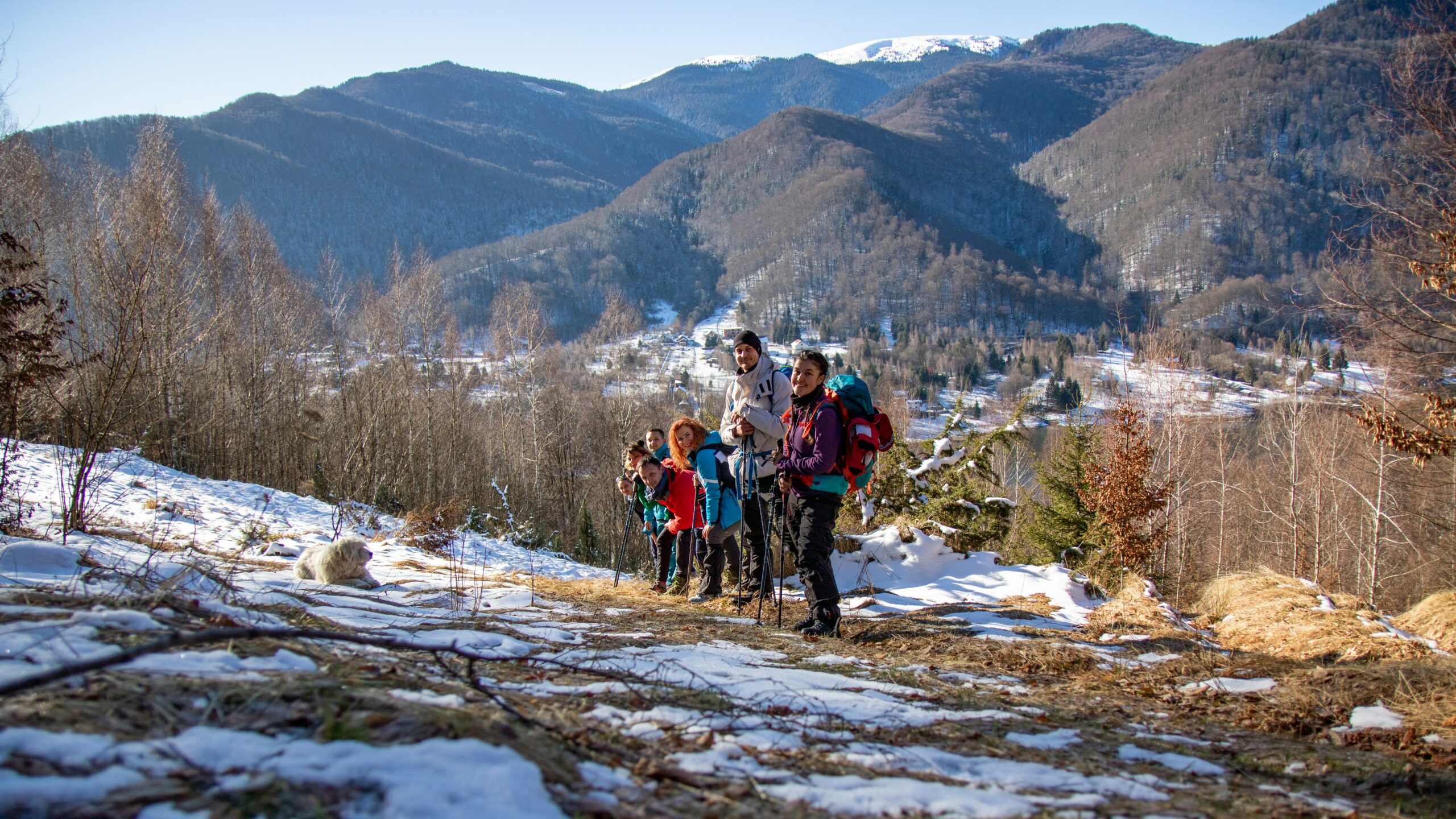
Hiking with children can turn an ordinary walk into an unforgettable adventure. It encourages physical activity, sparks curiosity, and strengthens family bonds. However, hiking with kids requires planning, patience, and creativity. When families prepare thoughtfully and stay flexible, the trail becomes a place for fun, learning, and connection. With the right approach, each hike leaves lasting memories for both children and parents.
Selecting the Right Trail
Choosing an appropriate trail is the first step to a successful family hike. Trails that match your children’s ages and abilities prevent frustration and exhaustion. Look for paths with gentle inclines, shade, and interesting features like streams, wildlife, or rock formations. Checking trail conditions ahead of time ensures safety and accessibility. By starting with manageable trails, families build confidence and encourage children to embrace the outdoors. A carefully chosen path sets the stage for a positive experience from start to finish.
Preparing Gear and Supplies
Proper preparation makes the hike enjoyable and stress-free—pack water, healthy snacks, and extra clothing for changing weather. Hats and sunscreen protect from sun exposure, while sturdy shoes prevent blisters. Bringing a small first-aid kit helps address minor injuries quickly. Preparing supplies ahead of time reduces distractions and keeps the focus on the adventure. By ensuring that everyone has what they need, parents can keep the experience safe and fun while children feel secure and cared for.
Making the Hike Engaging
Keeping children interested along the trail requires interaction and creativity. Encourage them to notice plants, insects, and animal tracks. Turn sections of the hike into mini-games or challenges to spark excitement. Asking questions and involving children in decisions about the route fosters curiosity and learning. By making the hike interactive, parents transform a simple walk into a memorable adventure. Engagement keeps kids enthusiastic, alert, and eager to explore each part of the trail.
Adjusting the Pace
Children often need more frequent breaks and may move more slowly than adults. Adjusting pace allows everyone to enjoy the journey without stress. Stop for rest, snacks, and hydration to maintain energy levels. Pausing at scenic points provides moments for reflection, photography, and learning. Moving too quickly can cause frustration and fatigue, while a comfortable pace ensures a positive experience. Matching speed to children’s abilities allows families to cover the trail successfully and enjoyably.
Teaching Outdoor Safety
Safety is essential for family hiking. Teach children to stay on marked trails, avoid unknown plants, and respect wildlife. Explain basic emergency procedures and emphasize listening to adult guidance. Practicing safety habits gives children confidence while protecting them from hazards. Parents who consistently reinforce safe behaviors help children develop skills they can carry into future outdoor activities. Understanding and following safety rules makes the hike safer and less stressful.
Hydration and Nutrition
Water and food help maintain energy levels during a hike. Encourage children to drink regularly, especially in warm weather. Snacks like fruits, nuts, and granola bars provide quick energy without adding unnecessary weight. Breaks for hydration and nourishment prevent fatigue, irritability, and discomfort. By maintaining proper nutrition and hydration, children stay active and alert, ready to enjoy every part of the trail. Families that plan snacks and water carefully can hike longer and more comfortably.
Overcoming Challenges
Even with preparation, challenges may arise. Weather can change unexpectedly, children may tire quickly, or moods may fluctuate. Parents should remain flexible, adjusting the pace or turning back if necessary. Encouragement and positivity help children cope with obstacles and stay motivated. Overcoming small challenges teaches resilience and problem-solving skills in a natural setting. Families who adapt to challenges calmly create positive experiences, even when the trail presents unexpected difficulties.
Ending on a High Note
Concluding a hike on a positive note reinforces children’s sense of accomplishment. Celebrate successes, take pictures, and discuss favorite moments along the trail. Reflecting on achievements helps children feel proud and excited for future adventures. Ending on a positive note ensures that the day leaves lasting memories. When children associate hiking with enjoyment and accomplishment, they are more likely to want to return to the outdoors repeatedly.
Learning in Nature
Hiking offers opportunities for hands-on learning. Children can explore ecosystems, identify plants, observe wildlife, and learn about environmental responsibility. Encouraging questions and discussion fosters curiosity and a deeper understanding of nature. Teaching children to respect trails, wildlife, and habitats helps instill lifelong habits of care and stewardship. Integrating learning with adventure turns every hike into a meaningful educational experience.
Building Family Connections
Regular family hikes create traditions that strengthen bonds. Shared experiences on trails foster communication, teamwork, and trust. Children learn to value outdoor exploration, physical activity, and quality time with parents. Establishing these routines builds excitement and participation in future hikes. Families who prioritize outdoor activities create a cycle of adventure, learning, and connection that benefits both children and adults for years to come.
Hiking with children combines adventure, learning, and family bonding into a single experience. Choosing suitable trails, preparing properly, and engaging kids keep the hike safe and fun. Adjusting pace, teaching outdoor safety, and ensuring hydration and nutrition sustain energy and enthusiasm. Handling challenges with patience and ending on a positive note makes the day memorable. By weaving learning and connection into each hike, families can create experiences that inspire children to love nature and carry these skills throughout life. With thoughtful planning, every family hike can become an exciting adventure filled with joy, growth, and shared memories.