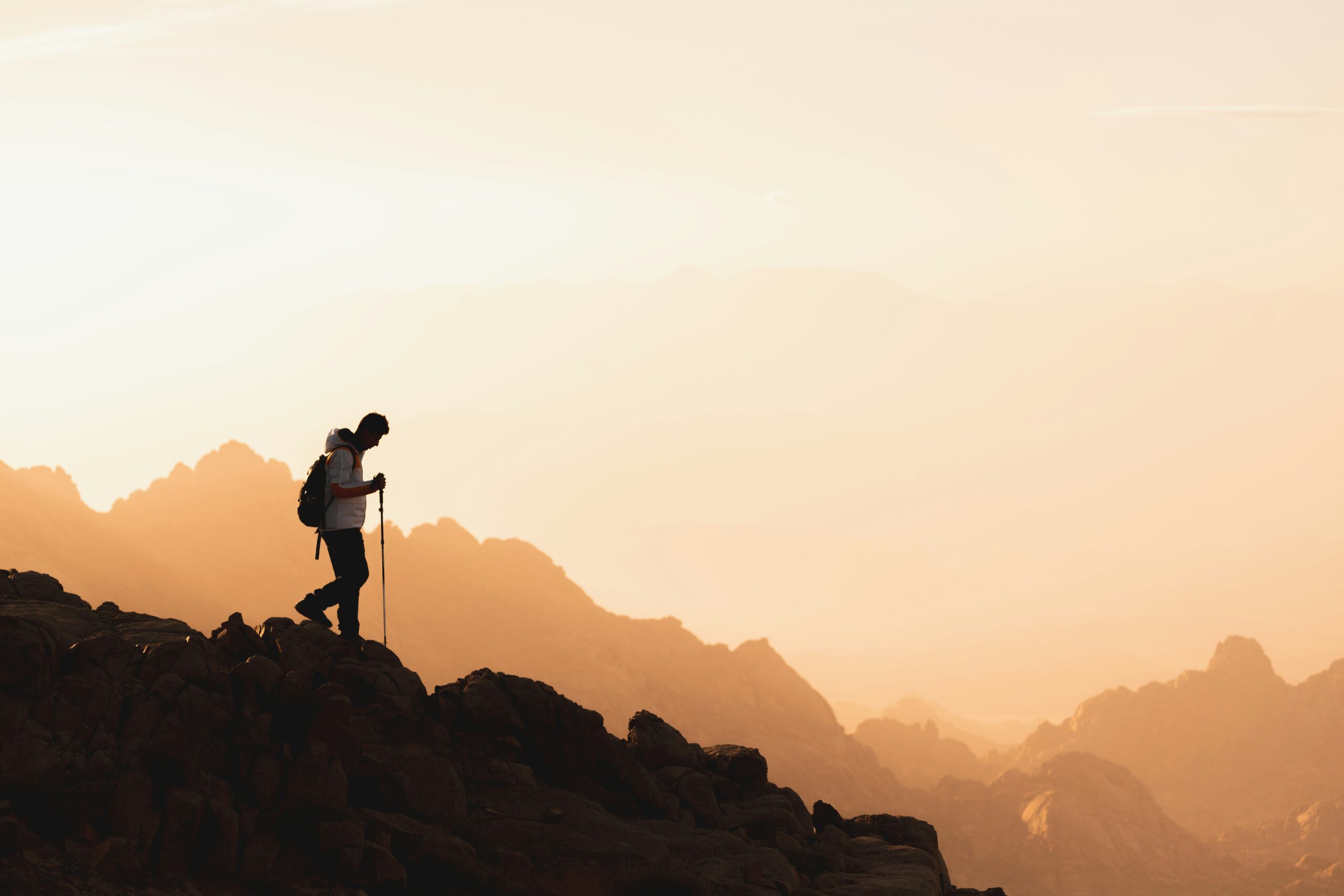
Solo hiking has become more popular because people want quiet time, clear thinking, and a break from busy routines. When you step onto a path alone, you get a different kind of freedom that group travel often cannot offer. You move at your own pace, you choose your stops, and you connect with nature without distractions.
Many hikers also say that solo hiking safety tips matter just as much as the experience itself. Since you do not have a partner nearby, you rely more on preparation and awareness. However, that responsibility often makes the experience more meaningful because every decision feels intentional and personal.
At the same time, people enjoy the mental space it creates. Without conversation or pressure, you notice small details like wind through trees or the sound of gravel under your boots. As a result, the hike becomes both calming and grounding.
Planning the Route Before You Step Outside
Good preparation shapes the entire experience. Before you go, you should always study your route carefully and understand what to expect. This includes distance, elevation, weather conditions, and available rest points.
Many hikers use solo hiking safety tips, trail-planning guides, and outdoor navigation tools to prepare better. In addition, mapping your route helps reduce confusion and lowers the chance of getting lost. Even a short trail can feel different when you are alone, so planning becomes essential.
For example, someone hiking in New Jersey might choose a familiar park loop for their first solo experience. This allows them to build confidence before trying longer or more remote trails. Moreover, checking trail reviews can give useful insights about terrain and difficulty.
Packing Smart to Stay Light and Prepared
When you hike alone, your backpack becomes your support system. Therefore, you should carry only what you need but never skip essentials. A balanced pack keeps you safe without slowing you down.
Key items include water, snacks, a map, a fully charged phone, a flashlight, and a basic first aid kit. Many hikers also rely on lightweight hiking gear, an emergency survival kit, and hydration essentials to stay prepared. In addition, extra layers of clothing can help when weather changes quickly.
For instance, a sudden drop in temperature can catch hikers off guard. However, a simple jacket in your pack can make a big difference. Because of that, packing smart is not about weight; it is about readiness.
Staying Aware While Enjoying the Silence
Awareness is one of the most important skills when hiking alone. Since you have no one to rely on, you need to stay alert to your surroundings. This does not mean feeling stressed, but rather staying mindful.
Use trail awareness techniques, navigation skills for hikers, and situational awareness outdoors to guide your movement. For example, notice trail markers, listen for environmental cues, and regularly check your direction. Additionally, avoid distractions that take your focus away from the path.
At the same time, staying aware does not reduce enjoyment. Instead, it enhances your experience by helping you notice more details. As a result, even familiar trails can feel new and exciting.
Understanding Weather and Environmental Changes
Weather plays a major role in outdoor safety. Before you begin your hike, always check the forecast and prepare for possible changes. Even clear skies can shift unexpectedly, especially in forest or mountain areas.
Many hikers rely on weather safety, outdoor risk awareness, and seasonal hiking preparation to stay safe. In addition, understanding how temperature and wind affect trails helps you make better decisions during your journey.
For example, a sunny morning can quickly turn into a rainy afternoon. However, if you carry a light rain layer, you can continue your hike without stress. Because of this, preparation reduces risk and increases confidence.
The Mental Benefits of Hiking Alone
Solo hiking is not only a physical activity, but it is also a mental reset. When you walk alone, your mind naturally slows down. This helps reduce stress and improves focus over time.
Many people experience benefits such as better clarity, emotional balance, and reduced anxiety. In addition, the mental health benefits of hiking, stress relief outdoors, and mindfulness walking practice are often linked to solo time outdoors. As a result, hiking becomes a form of natural therapy.
For example, someone dealing with a busy work schedule might use solo hikes as a weekly reset. During the walk, they reflect, think clearly, and return home with a calmer mindset. Therefore, the emotional benefits can be just as important as the physical ones.
Building Confidence Through Independent Decisions
One of the strongest benefits of hiking alone is confidence building. Every decision you make, from choosing the path to handling small challenges, strengthens your independence.
You begin to trust your judgment more because you rely on yourself. In addition, self-reliance in hiking, decision-making outdoors, and independent adventure skills help shape your growth over time. This confidence often carries into daily life as well.
For instance, choosing the correct direction at a trail split gives you a small but powerful sense of achievement. Over time, these small wins build stronger self-trust and resilience.
Handling Unexpected Situations Calmly
Even with good planning, unexpected situations can happen. You might take a wrong turn, face sudden changes in the weather, or feel tired earlier than expected. However, staying calm is key.
Use emergency hiking strategies, outdoor problem-solving skills, and basic survival awareness to handle challenges. In addition, always know your return points and avoid pushing too far beyond your limits.
For example, if you feel unsure about your direction, stop and reassess instead of rushing forward. Because of that pause, you can avoid bigger mistakes and stay safe throughout your hike.
Making Solo Hiking a Regular and Safe Habit
Once you understand the basics, solo hiking can become a rewarding routine. It offers both physical activity and mental clarity, which makes it a valuable part of a healthy lifestyle.
Start small and gradually increase the difficulty of your trail. In addition, always review your experiences after each hike to improve your planning and safety habits. Over time, you will feel more confident and comfortable outdoors.
Many hikers find that regular solo trips improve their mood and energy levels. As a result, hiking becomes not just an activity, but a personal routine for balance and well-being.