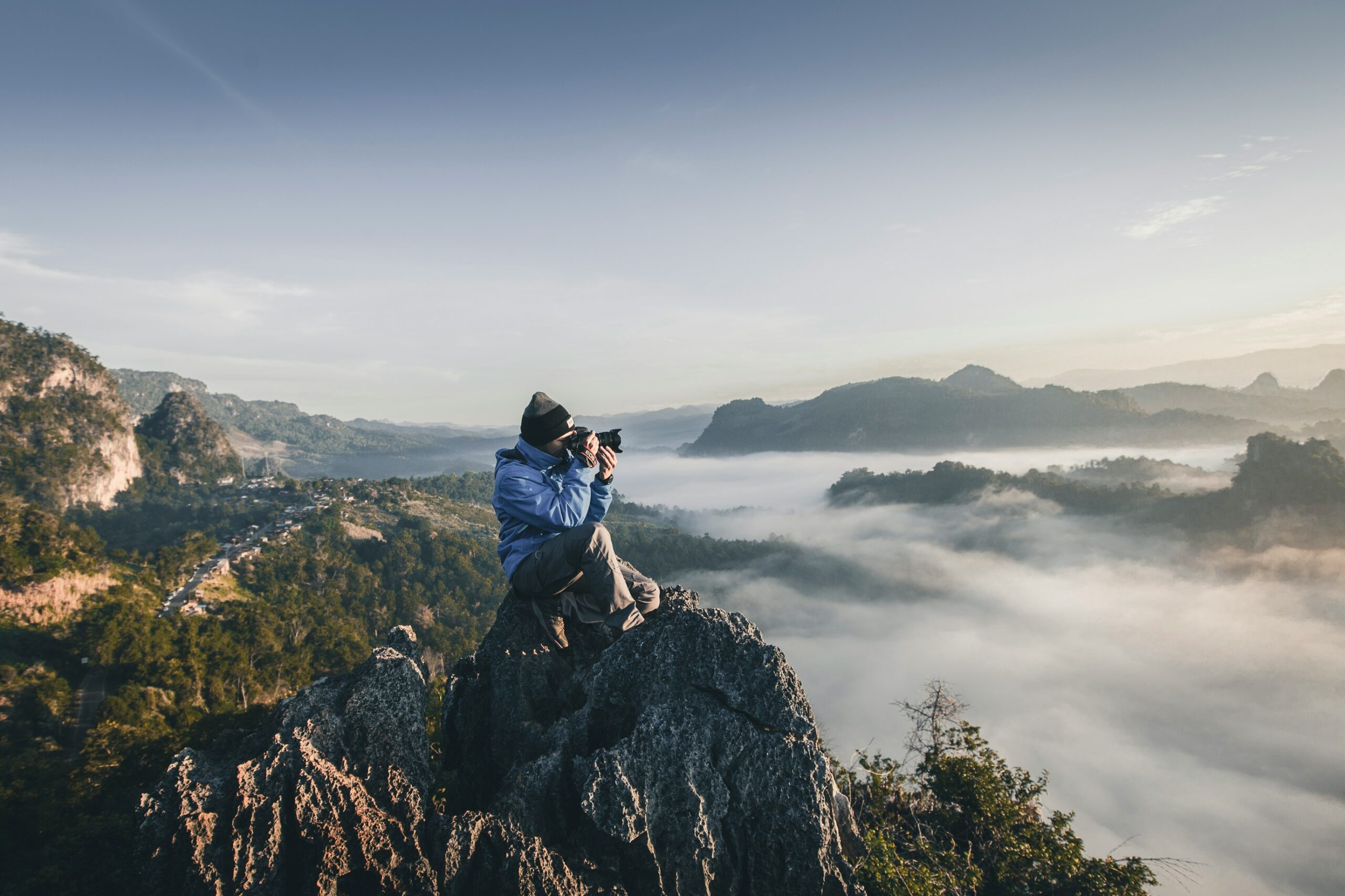
Nature hiking photography combines the joy of exploring the outdoors with the art of capturing memorable images. Whether you hike through forests, mountains, or lakeside trails, learning strong composition skills helps you create photos that tell a story. Instead of relying on expensive equipment, beginners can improve their photography by understanding light, framing, balance, and perspective. Moreover, practicing these simple techniques during every hike builds confidence and develops a creative eye. With patience and consistency, anyone can capture beautiful landscape and wildlife photography images while enjoying nature’s beauty.
Understanding Composition in Nature Hiking Photography
Composition is the way you arrange elements within a photo. In nature hiking photography, good composition guides the viewer’s eye and creates a balanced image. Instead of placing every subject in the center, think about how different parts of the scene work together. As a result, your photographs become more engaging and visually appealing.
Many beginners focus only on beautiful scenery. However, the way you frame that scenery matters as much. Trees, rivers, mountains, flowers, and trails should work together to create harmony. Therefore, slowing down before pressing the shutter often leads to much stronger photographs.
Use the Rule of Thirds for Better Balance
The rule of thirds remains one of the easiest composition techniques to learn. Imagine your camera screen divided into nine equal sections using two horizontal and two vertical lines. Then place your main subject where these lines meet, rather than directly in the center.
This simple adjustment creates natural balance and makes your image more interesting. Furthermore, many smartphones and cameras include a grid option that automatically displays these lines. By practicing this technique during every hike, beginners quickly improve their photography skills.
Lead the Viewer with Natural Lines
Nature offers many leading lines that naturally guide the viewer’s attention. Hiking trails, rivers, fences, fallen logs, bridges, and shorelines all create paths that direct the eye toward the main subject. Consequently, your photos gain depth and a stronger sense of movement.
Look for lines before taking each photo. Then, position yourself so those lines begin near the edge of the frame and lead toward your subject. Meanwhile, avoid distracting objects that disrupt the visual flow, as they weaken the overall composition.
Add Depth with Foreground, Middle Ground, and Background
Flat photos often lack visual interest. Instead, include objects in the foreground, middle ground, and background to create a three-dimensional effect. Rocks, flowers, or branches can add depth without distracting from the main subject.
This layering technique helps viewers feel as though they are standing inside the landscape. Additionally, it makes mountain views, forests, and lakes appear much larger and more immersive. Therefore, always search for foreground elements before taking wide landscape photos.
Frame Your Subject Naturally
Natural framing uses elements such as tree branches, cave openings, or rock formations to surround your subject. This technique draws attention to the focal point while adding context to the environment. As a result, the image feels more intentional and creative.
Avoid covering too much of the subject with the frame. Instead, allow enough open space so viewers can appreciate the scenery. Likewise, experiment with different angles until the natural frame enhances the overall composition instead of overwhelming it.
Pay Attention to Light Throughout the Day
Lighting plays a major role in nature hiking photography. Early morning and late afternoon provide soft, warm light that adds texture and color to landscapes. Because shadows remain gentle during these hours, details appear clearer and more attractive.
Midday sunlight often creates harsh shadows and bright highlights. Nevertheless, cloudy days offer soft natural light that works well for forests, waterfalls, and close-up plant photography. Therefore, understanding changing light conditions helps beginners make better creative decisions.
Simplify the Scene
Busy photographs confuse viewers because too many elements compete for attention. Instead, remove unnecessary distractions from the frame whenever possible. A clean composition usually creates a stronger emotional impact than a crowded one.
Take a few steps to the left or right if unwanted branches, signs, or people appear in the frame. Similarly, zooming in slightly can remove distractions without changing your subject. Consequently, the final image becomes cleaner and easier to understand.
Explore Different Perspectives
Many beginners photograph every scene while standing at eye level. Although this approach works sometimes, changing your perspective often creates more interesting compositions. Try kneeling close to flowers or climbing safely to a higher viewpoint.
Different angles reveal details that many hikers overlook. Furthermore, shooting from low positions makes foreground subjects appear larger, while elevated viewpoints highlight the shape of rivers, valleys, and winding trails. Therefore, moving around before taking a photo often produces better results.
Watch the Background Carefully
A strong subject loses impact when the background contains distractions. Before taking your photo, check the entire frame instead of focusing only on the main subject. Small objects such as trash bins, signs, or bright branches can pull attention away from your composition.
Move a few steps or change your camera angle to create a cleaner background. Additionally, using a wider aperture on compatible cameras helps blur distracting backgrounds while keeping the subject sharp. Consequently, viewers naturally focus on the most important part of the image.
Edit Your Photos with Care
Photo editing tips can help enhance your photos rather than completely change them. Simple adjustments to brightness, contrast, color balance, and sharpness often improve the final result while preserving the natural beauty of the scene. As a result, your images remain realistic and appealing.
Avoid excessive filters that make landscapes appear unnatural. Instead, aim for edits that match what you experienced during the hike. Likewise, cropping can improve composition if small distractions remain after the image is captured. Careful editing completes the creative process without reducing authenticity.