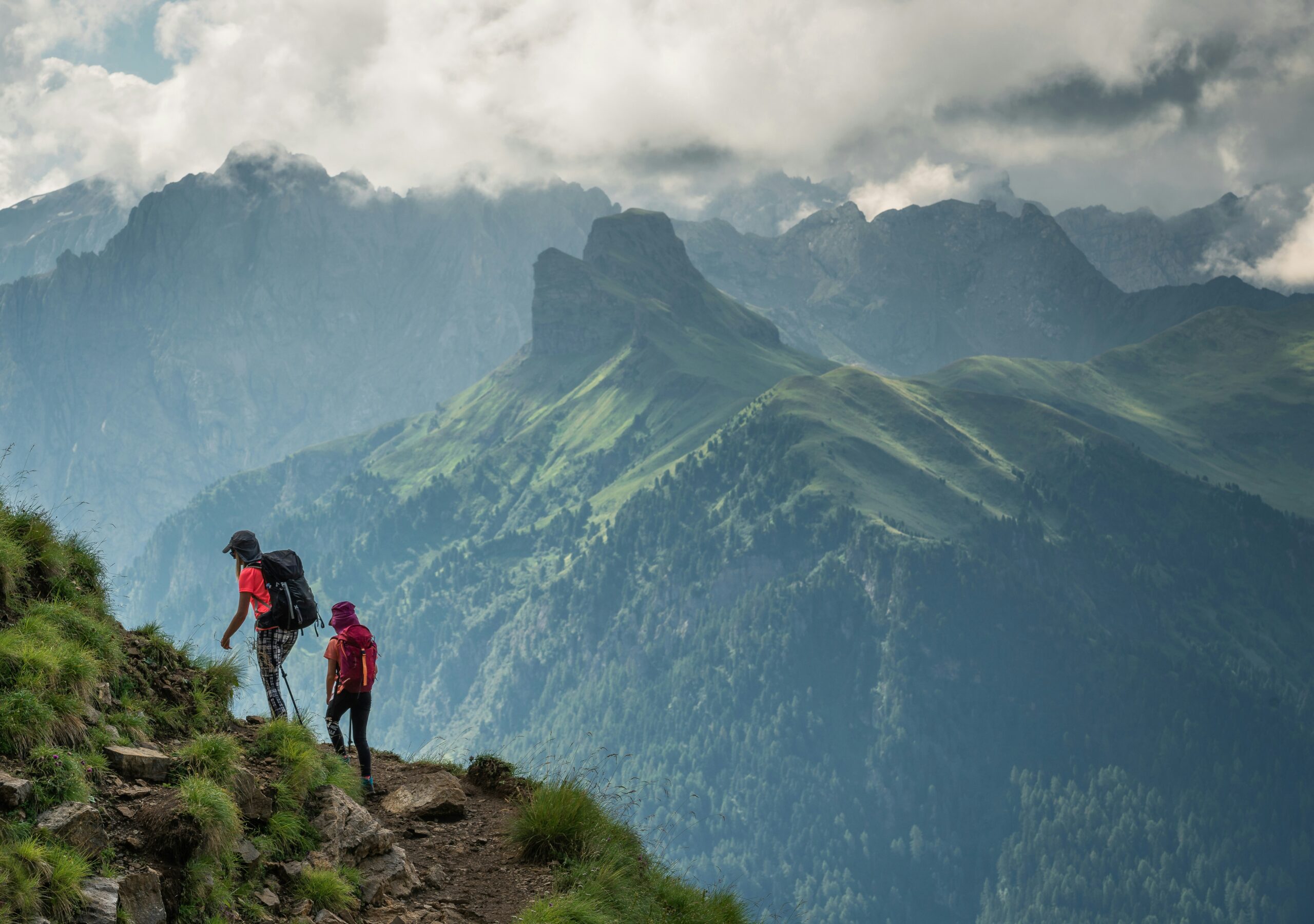
Hiking is a simple way to enjoy nature, improve health, and discover new places, but every outdoor adventure comes with a responsibility to protect shared spaces. Learning Trail Etiquette Tips helps hikers respect the environment, other visitors, and the wildlife that depends on these areas. A trail is not owned by one person. It is a shared path where many people come to relax, explore, and connect with nature. Respectful hikers understand that their choices can affect everyone around them. Small actions, such as staying on marked paths, keeping noise low, and carrying out trash, create a better experience for all. Good trail behavior also helps protect fragile plants, prevent erosion, and keep natural areas safe for future generations. Whether someone is hiking for the first time or has years of experience, practicing proper trail manners is an important part of outdoor responsibility.
Respect the Trail and Protect Natural Areas
Every trail has a purpose, and hikers should follow the rules created to protect the landscape. Staying on marked paths is one of the most important parts of responsible hiking. Walking off the trail can damage plants, disturb animal homes, and create new paths that may lead to erosion. Even one person stepping outside a trail can cause harm in areas where nature grows slowly. Respectful hikers understand that beautiful landscapes need protection, not just admiration. Following signs, staying within allowed areas, and avoiding restricted zones show care for the outdoors.
Many natural areas have special rules based on local conditions. Some trails may limit group sizes, restrict pets, or close during certain seasons. These rules are created because land managers want to preserve the area and keep visitors safe. Hikers should take time to learn about the trail before arriving. Checking weather conditions, understanding difficulty levels, and knowing local guidelines can prevent problems during a trip. Preparation also helps hikers avoid unnecessary damage to the environment. When people respect these rules, they help maintain clean, healthy, and enjoyable trails.
Another important part of trail care is leaving nature as it was found. Hikers should avoid picking flowers, removing rocks, or taking natural objects as souvenirs. These small pieces of nature play a role in the ecosystem. Plants provide food and shelter for wildlife, while rocks and natural features help shape the environment. Taking only pictures and memories allows others to enjoy the same experience. A respectful hiker leaves the trail better protected than they found it.
Practice Good Manners When Sharing the Path
Trails are shared spaces where hikers, runners, cyclists, and sometimes horseback riders meet. Understanding how to interact with others creates a safer and more enjoyable experience. Hikers should be aware of their surroundings and communicate clearly when passing or approaching others. A simple greeting or friendly warning can prevent confusion on narrow sections of a trail. Being polite helps build a positive outdoor community where everyone feels welcome.
Trail direction and right-of-way rules are also important. In many areas, hikers moving uphill may have the right of way because they are working harder and may need to maintain their pace. However, situations can vary depending on the trail and local guidelines. The best approach is to be patient, respectful, and willing to cooperate. If another person needs space, stepping aside safely can make the experience easier for everyone.
Noise control is another key part of good trail behavior. Nature offers many people a chance to enjoy peace and quiet away from busy daily life. Loud conversations, music from speakers, or unnecessary shouting can disturb wildlife and reduce the experience for other hikers. Keeping voices at a reasonable level allows everyone to enjoy the sounds of nature. Respectful hikers understand that the outdoors is a place where people often go to find calm and connection.
Sharing the trail also means considering group size and behavior. Large groups should avoid blocking paths or making it difficult for others to pass. Parents should teach children proper outdoor manners, and pet owners should keep animals under control. Friendly behavior creates a welcoming environment where beginners and experienced hikers can enjoy the outdoors together.
Follow Leave No Trace Principles During Every Hike
One of the strongest ways to show respect for nature is by following Leave No Trace practices. These principles encourage hikers to reduce their impact and protect outdoor areas. Carrying all trash back home, using proper restroom practices, and avoiding damage to plants are simple steps that make a major difference. The goal is to enjoy nature without leaving signs that people were there.
Trash is one of the most common problems found on trails. Even small items, such as food wrappers, tissues, and plastic pieces, can harm animals and pollute natural areas. Responsible hikers bring a small bag to collect their waste and remove anything they bring into the outdoors. Some hikers also pick up trash left behind by others. This simple action helps keep trails cleaner and shows respect for the environment.
Campfires and food choices also require careful attention. Hikers should follow local fire rules and avoid creating unnecessary risks. Food should be stored properly to prevent attracting wildlife. Animals that become dependent on human food can face serious problems. Protecting wildlife means observing animals from a safe distance and allowing them to remain wild.
Being prepared is another part of Responsible Hiking Practices that supports trail protection. Hikers who bring enough water, proper clothing, navigation tools, and emergency supplies are less likely to create problems during their journey. Preparation reduces the need for outside assistance and helps people respond calmly to unexpected situations. Good planning protects both the hiker and the natural area.
Show Care for Wildlife and Fellow Outdoor Visitors
Wildlife encounters are one of the most exciting parts of hiking, but they require respect and caution. Animals should always be observed from a distance. Approaching, feeding, or trying to touch wildlife can put both animals and people at risk. Wild animals need space to find food, protect their young, and follow natural behaviors. A respectful hiker enjoys these moments without interfering.
Hikers should also avoid disturbing animal habitats. Loud sounds, sudden movements, or leaving food behind can change how wildlife behaves. Many animals depend on quiet environments for survival. By staying calm and following trail rules, visitors can enjoy nature while allowing animals to live safely. Responsible actions create a balance between recreation and conservation.
Respect for other visitors is equally important. People come to trails for different reasons. Some want exercise, while others want peaceful reflection or time with family and friends. Understanding these different needs helps create a positive experience for everyone. Simple choices, like allowing others to enjoy scenic viewpoints and keeping personal space, show kindness and awareness.
Outdoor spaces become stronger communities when visitors support each other. Experienced hikers can help beginners by sharing knowledge about safety and proper behavior. New hikers can contribute by learning and following established guidelines. When everyone works together, trails remain welcoming places for people of all backgrounds and skill levels.
Build Better Outdoor Habits for Future Adventures
Developing strong hiking habits takes time, but every small choice matters. Respectful hikers think about the effects of their actions before, during, and after a trip. They prepare carefully, follow trail rules, and treat nature with care. These habits improve personal experiences while also protecting outdoor areas for others.
Technology can also support better hiking behavior. Trail maps, weather apps, and safety tools help hikers make informed decisions. However, technology should not replace awareness. Visitors should still pay attention to signs, changing conditions, and the natural surroundings. A balance between preparation and awareness leads to safer and more enjoyable adventures.
Teaching trail manners to others is another way to support outdoor spaces. Families, friends, and hiking groups can spread positive habits by setting good examples. When more people understand the importance of respect, trails become cleaner, safer, and more enjoyable. Outdoor education helps create a culture where protecting nature becomes a shared goal.
Hiking is more than reaching a destination. It is about experiencing nature while respecting the places and people around you. Every visitor has a role in protecting these spaces through thoughtful decisions and responsible actions. Following Outdoor Conservation Habits allows hikers to enjoy the beauty of nature while helping preserve it for future explorers. A respectful approach to the outdoors creates stronger connections with nature and builds a lasting culture of care among hikers everywhere.