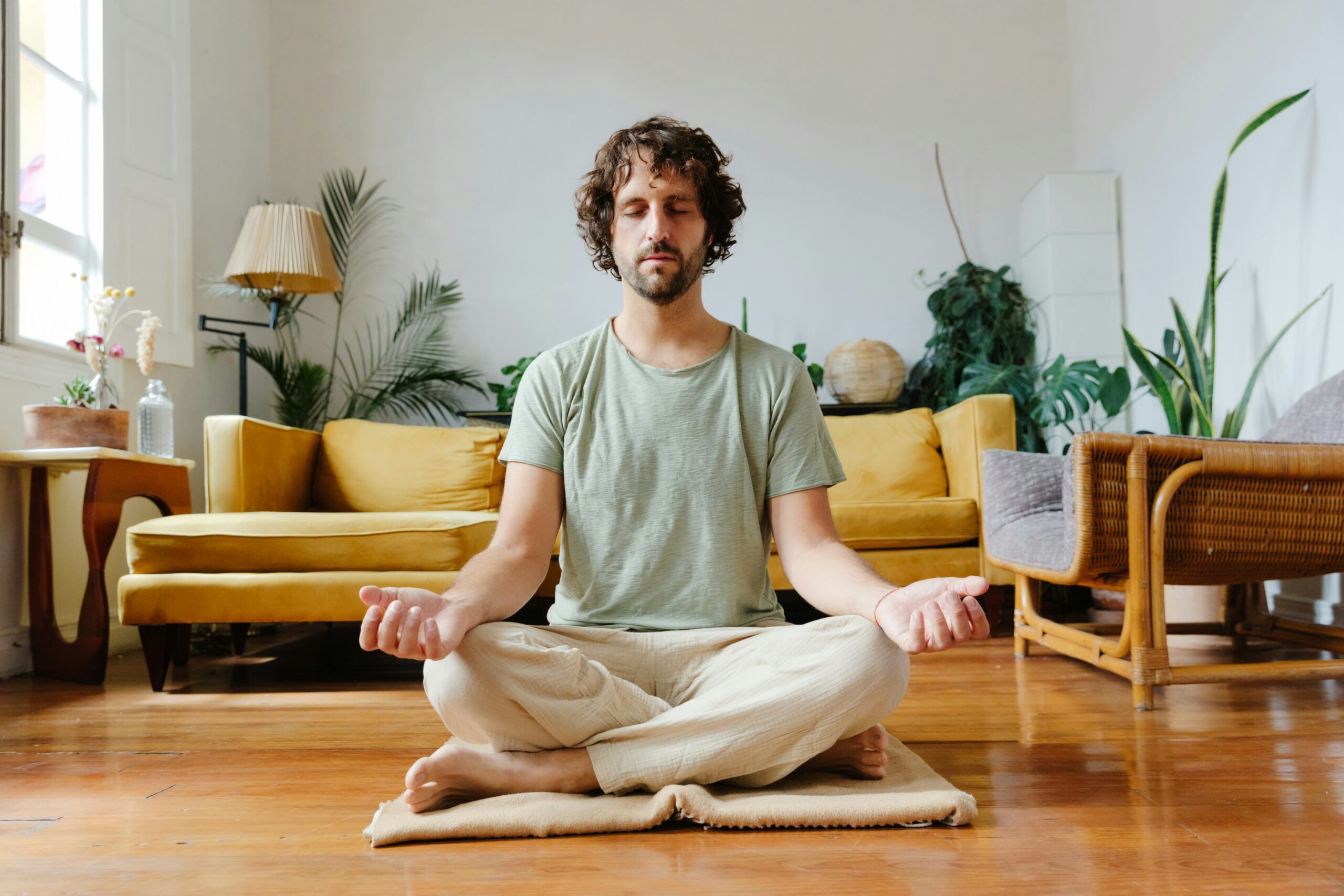
Mindfulness meditation helps people slow down, focus on the present, and enjoy life with greater awareness. In today’s fast-moving world, many people deal with stress, distractions, and constant pressure. As a result, they often miss the simple moments that bring peace and happiness. By practicing mindfulness meditation, you can improve your mental clarity, manage emotions, and create healthier daily habits. This practice does not require expensive tools or special training. Instead, it invites you to pay attention to your thoughts, feelings, and surroundings with kindness and without judgment. Whether you are at home, at work, or spending time with loved ones, mindfulness meditation can help you stay calm, focused, and connected to what matters most.
Understanding Mindfulness Meditation
Mindfulness meditation is the practice of paying full attention to the present moment. Instead of worrying about the past or thinking about the future, you focus on what is happening right now. You notice your breathing, body sensations, emotions, and thoughts without trying to change them. This simple habit trains your mind to stay calm and aware during everyday situations.
Many people believe meditation takes hours or requires complete silence. However, mindfulness meditation fits easily into daily life. You can practice it for just a few minutes each day. Over time, these short sessions build stronger attention, improve emotional balance, and reduce mental clutter. Therefore, even beginners can enjoy meaningful results with consistent practice.
Why Staying Present Improves Daily Life
When you stay present, you notice more of what happens around you. Instead of rushing through each task, you complete it with greater care and attention. As a result, you often make better decisions, reduce mistakes, and enjoy stronger relationships. Everyday moments become more meaningful because you truly experience them instead of simply moving through them.
Living in the present also supports better emotional health. Stress often grows from worrying about future problems or replaying past mistakes. Mindfulness meditation helps interrupt these patterns by bringing your attention back to the current moment. As a result, your mind becomes more peaceful, and your reactions become calmer during challenging situations.
Building a Consistent Mindfulness Meditation Routine
Creating a daily routine makes mindfulness meditation easier to maintain. Choose a quiet place where you feel comfortable and free from interruptions. Then, sit in a relaxed position and focus on your breathing. Even five or ten minutes each day can strengthen your awareness over time.
Consistency matters more than length. Instead of practicing once a week for an hour, aim for a few minutes every day. Soon, mindfulness becomes a natural part of your lifestyle. Furthermore, regular practice helps your brain develop healthier thinking habits that support emotional well-being and better concentration.
Simple Breathing Techniques for Everyday Calm
Breathing serves as the foundation of mindfulness meditation. Start by taking slow, gentle breaths while paying attention to each inhale and exhale. If your thoughts wander, simply notice them and return your attention to your breathing. This gentle approach helps build focus without creating frustration.
Deep breathing also calms your body’s stress response. As your breathing slows, your heart rate often becomes steadier. As a result, your muscles relax, and your mind feels less overwhelmed. You can use this breathing technique before important meetings, during stressful conversations, or anytime you need a quick mental reset.
Practicing Mindfulness During Daily Activities
Mindfulness meditation extends far beyond sitting quietly. In fact, you can practice mindfulness while eating, walking, cleaning, or driving. During these activities, pay close attention to your movements, surroundings, and senses. Notice the sounds, smells, colors, and physical sensations without rushing through the experience.
Daily mindfulness also helps reduce automatic behaviors. Instead of checking your phone without thinking or eating too quickly, you become more aware of your choices. As a result, you make healthier decisions and enjoy greater satisfaction throughout the day. Even ordinary tasks become opportunities for calm and personal growth.
Managing Stress Through Mindfulness Meditation
Stress affects both the mind and body. Fortunately, mindfulness meditation offers a healthy way to manage daily pressure. When stressful thoughts appear, observe them without judgment. Rather than fighting them, let them pass naturally while returning your attention to your breathing or your surroundings.
This practice changes how you respond to difficult situations. Instead of reacting immediately, you create space between the event and your response. As a result, you gain better emotional control and think more clearly. Over time, mindfulness meditation helps you face challenges with confidence instead of fear.
Improving Focus and Mental Clarity
Modern life constantly competes for your attention. Notifications, emails, and endless information often reduce concentration. Mindfulness meditation trains your brain to focus on one task at a time. As a result, you complete work more efficiently and make fewer mistakes throughout the day.
Better focus also supports creativity and learning. When your mind stays present, you absorb information more effectively and remember important details. Moreover, you become less distracted by unnecessary thoughts. This improved mental clarity benefits students, professionals, parents, and anyone seeking better daily performance.
Strengthening Emotional Balance and Self-Awareness
Mindfulness meditation encourages honest self-awareness. Instead of avoiding emotions, you learn to recognize them with kindness. You notice feelings of happiness, sadness, frustration, or excitement without labeling them as good or bad. As a result, you understand yourself more deeply and respond more wisely.
Emotional balance grows through regular observation rather than suppression. As you practice mindfulness meditation, difficult emotions lose some of their intensity. You become more patient with yourself and others. Additionally, greater self-awareness improves communication, strengthens relationships, and supports healthier personal growth.
Bringing Mindfulness Meditation Into Every Part of Life
Many people think mindfulness belongs only in meditation sessions. However, its greatest value appears throughout the day. Before starting work, take a few slow breaths. While talking with family members, give them your full attention. During meals, notice every bite instead of rushing. These small moments strengthen your ability to stay present.
As mindfulness meditation becomes a daily habit, your overall quality of life often improves. You appreciate simple experiences, manage stress more effectively, and build stronger emotional resilience. Most importantly, you learn to live with greater purpose and awareness. This lasting change develops gradually, yet every mindful moment moves you toward a healthier, calmer, and more fulfilling life.