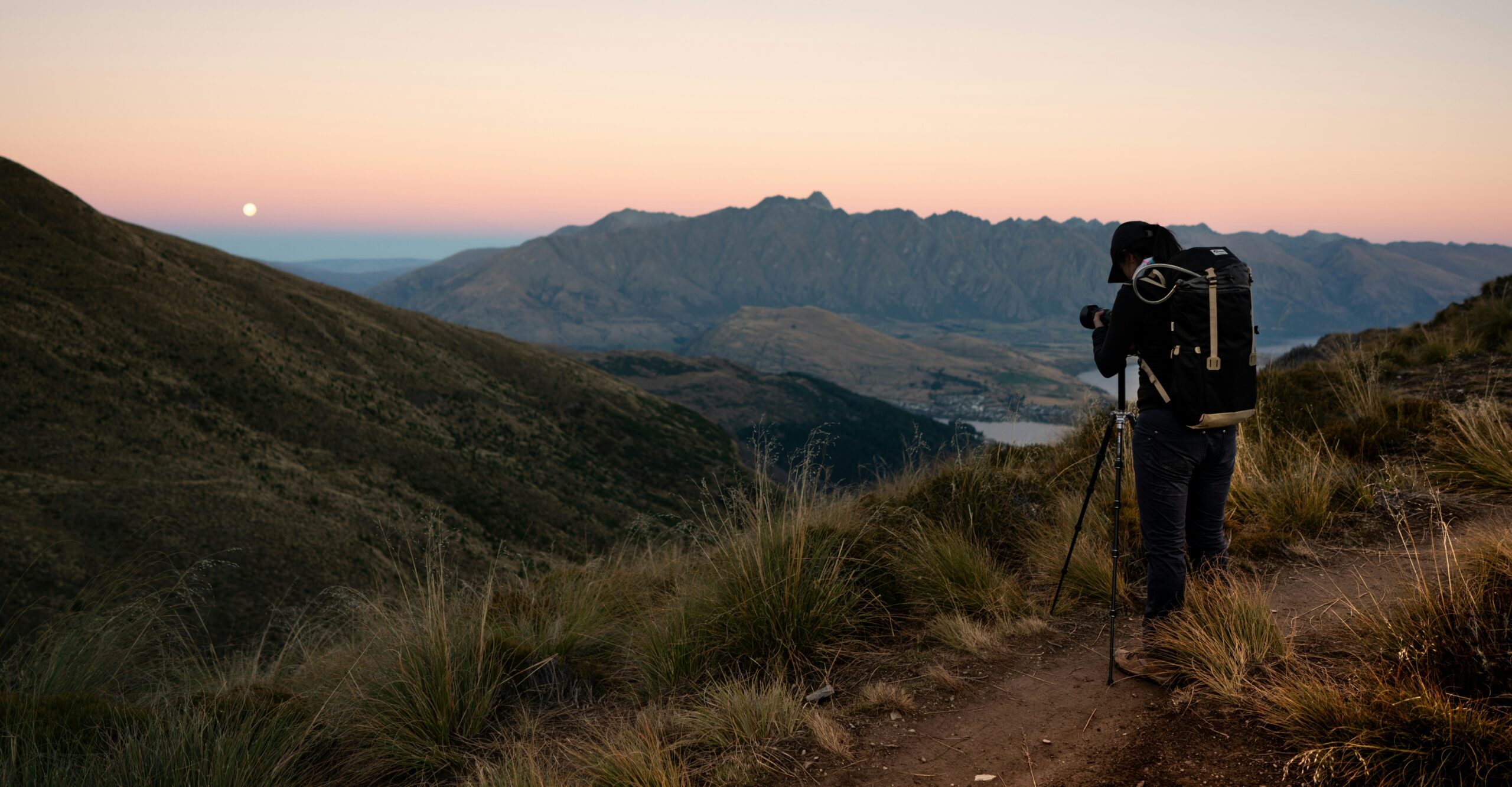
Hiking photography combines outdoor adventure with the creative process of capturing landscapes, wildlife, plants, and memorable moments along the trail. Instead of simply walking through a beautiful environment, photographers actively observe how sunlight, weather, terrain, and natural details shape each scene. Consequently, hiking becomes an opportunity to document places that may look completely different from one hour to the next. A misty mountain can appear mysterious in the morning, while the same landscape may glow dramatically during sunset. By carrying a camera or smartphone, hikers can preserve these changing moments and share the beauty of nature with others. More importantly, photography encourages hikers to slow down, notice subtle details, and develop a deeper appreciation for the environment surrounding them.
Hiking photography also provides endless creative possibilities because every trail presents different subjects and conditions. For example, photographers may encounter waterfalls, forests, mountain peaks, wildflowers, rocky cliffs, lakes, birds, or colorful skies during a single journey. Moreover, natural light constantly changes, creating new opportunities for interesting compositions. A simple trail can become visually powerful when sunlight passes through trees or clouds create dramatic shadows across distant hills. Therefore, successful hiking photography does not always require visiting famous destinations. Instead, photographers can create meaningful images by observing ordinary natural scenes carefully. With patience, curiosity, and thoughtful composition, hikers can transform everyday outdoor experiences into photographs that communicate adventure, atmosphere, and the remarkable diversity of the natural world.
Choosing the Right Photography Gear for the Trail
Selecting appropriate photography equipment can make hiking more comfortable while helping photographers capture high-quality images. Because hikers must carry their gear for long distances, weight becomes an important consideration. A lightweight mirrorless camera with a versatile lens can provide excellent image quality without adding excessive bulk. However, modern smartphones can also produce impressive hiking photography, especially when photographers understand lighting and composition. Additionally, carrying extra batteries is useful because cold temperatures and frequent shooting can reduce battery life quickly. A protective camera bag can shield equipment from rain, dust, and accidental impacts. Therefore, photographers should choose equipment based on the trail, weather, hiking distance, and personal photography goals rather than carrying every available accessory.
Although cameras receive most of the attention, several practical accessories can improve outdoor photography. For instance, a lightweight tripod helps photographers capture waterfalls, low-light landscapes, and sharp sunrise or sunset images. Meanwhile, a lens cloth keeps moisture, dust, and fingerprints from affecting image quality. Weather-resistant covers can also protect cameras when conditions suddenly change. Furthermore, hikers should organize equipment so they can access it quickly without repeatedly removing their backpacks. Keeping a camera secure but accessible makes it easier to photograph unexpected wildlife or changing light. Ultimately, the best hiking photography gear is equipment that supports creativity without becoming a burden. When photographers travel efficiently, they can focus more attention on the landscape and less on managing heavy or unnecessary equipment.
Using Natural Light to Create Powerful Images
Natural light plays a major role in determining the mood, color, contrast, and overall quality of outdoor photographs. Therefore, hikers should pay close attention to the direction and intensity of sunlight throughout the day. Early morning and late afternoon often provide softer, warmer light that enhances mountains, forests, and open landscapes. In contrast, midday sunlight can create harsh shadows and strong highlights, particularly in exposed locations. However, photographers can still use midday conditions creatively by photographing shaded forests, close-up details, or scenes with interesting patterns. Additionally, cloudy weather produces soft, even lighting that works particularly well for waterfalls, plants, and woodland photography. Understanding these differences allows hikers to adapt instead of waiting for supposedly perfect conditions.
Changing weather can also create some of the most dramatic hiking photography opportunities. For example, sunlight breaking through storm clouds can illuminate a mountain ridge while leaving the surrounding landscape in shadow. Similarly, fog can simplify busy scenes and create a quiet, mysterious atmosphere. Photographers should therefore avoid assuming that clear skies always produce the best images. Instead, they can observe how weather influences color, visibility, texture, and depth. Furthermore, adjusting camera exposure can help preserve details in bright skies or dark foregrounds. By checking images occasionally and making thoughtful adjustments, photographers can respond effectively to difficult lighting. Ultimately, learning to work with natural light allows hikers to create stronger photographs in a wider range of outdoor conditions.
Building Strong Compositions Along the Trail
Composition determines how different visual elements work together inside a photograph. Consequently, hikers should avoid automatically pointing the camera toward a beautiful view and pressing the shutter. Instead, they can examine the foreground, background, horizon, and surrounding objects before creating an image. Trails, rivers, fences, and fallen trees can function as leading lines that guide viewers toward the main subject. Likewise, placing an interesting object in the foreground can add depth to a wide landscape. Photographers can also experiment with different perspectives by crouching lower, moving sideways, or finding a slightly higher viewpoint. These simple changes can transform an ordinary hiking photograph into an image with greater visual impact and a stronger sense of place.
While composition guidelines are useful, photographers should also remain flexible and creative. The rule of thirds, for example, can help create balanced landscapes by placing important subjects away from the center. However, symmetrical scenes may look stronger when the main subject appears directly in the middle. Reflections on calm lakes, straight forest paths, and mountain valleys often work particularly well with centered compositions. Additionally, hikers can use natural frames such as tree branches, rock formations, or cave openings to direct attention toward distant scenery. Most importantly, photographers should remove distracting elements whenever possible by changing position or adjusting the camera angle. As a result, thoughtful composition helps viewers immediately understand what makes a particular hiking scene interesting.
Capturing Wildlife and Small Details Responsibly
Large landscapes often dominate hiking photography, yet smaller natural subjects can tell equally compelling stories. Wildflowers, mushrooms, colorful leaves, insects, textured rocks, and water droplets provide excellent opportunities for close-up photography. Moreover, these subjects encourage hikers to examine environments that they might otherwise overlook. A photograph of morning dew on a leaf can communicate the atmosphere of a forest just as effectively as a wide photograph of the entire landscape. Therefore, photographers should occasionally look down, examine nearby vegetation, and search for patterns or textures. Using a wide aperture can separate small subjects from distracting backgrounds, while soft natural light can reveal delicate colors and details without creating harsh shadows.
Wildlife photography requires additional patience and responsibility. When hikers encounter birds, deer, or other animals, they should maintain a safe distance and avoid disturbing natural behavior. Instead of approaching wildlife for a closer photograph, photographers can use zoom lenses or crop images later when necessary. Furthermore, feeding animals to attract them toward the camera can harm wildlife and create dangerous habits. Photographers should also remain on established trails whenever regulations require it, especially in environmentally sensitive areas. By respecting animals and habitats, hikers can capture authentic moments without damaging the places they came to photograph. Consequently, responsible hiking photography protects nature while allowing future visitors to experience the same wildlife and landscapes.
Turning Hiking Adventures Into Memorable Visual Stories
The strongest hiking photography often tells a complete story rather than presenting unrelated landscape images. Therefore, photographers can document different stages of an adventure, including trail signs, hiking boots, changing terrain, weather conditions, viewpoints, campsites, and quiet moments along the route. Wide photographs establish the environment, while medium shots and close-up details provide variety. Additionally, including hikers in some images can communicate scale and show how people interact with enormous mountains or forests. These photographs help viewers imagine the experience instead of simply observing scenery. By capturing both impressive landscapes and ordinary trail moments, photographers can create a visual narrative that reflects the journey from beginning to end.
Finally, hikers should remember that memorable photography develops through practice rather than expensive equipment or perfect destinations. Each hike offers opportunities to experiment with lighting, composition, perspective, timing, and storytelling. Moreover, reviewing photographs after returning home helps photographers identify successful techniques and recognize areas that need improvement. Editing can enhance exposure, contrast, and color, but photographers should preserve the natural character of the scene instead of making unrealistic changes. As skills improve, hiking photography can become a powerful way to document personal adventures while celebrating the beauty of nature. Ultimately, combining careful observation, responsible outdoor behavior, and creative photography allows hikers to return home with meaningful images that preserve unforgettable moments from the trail.