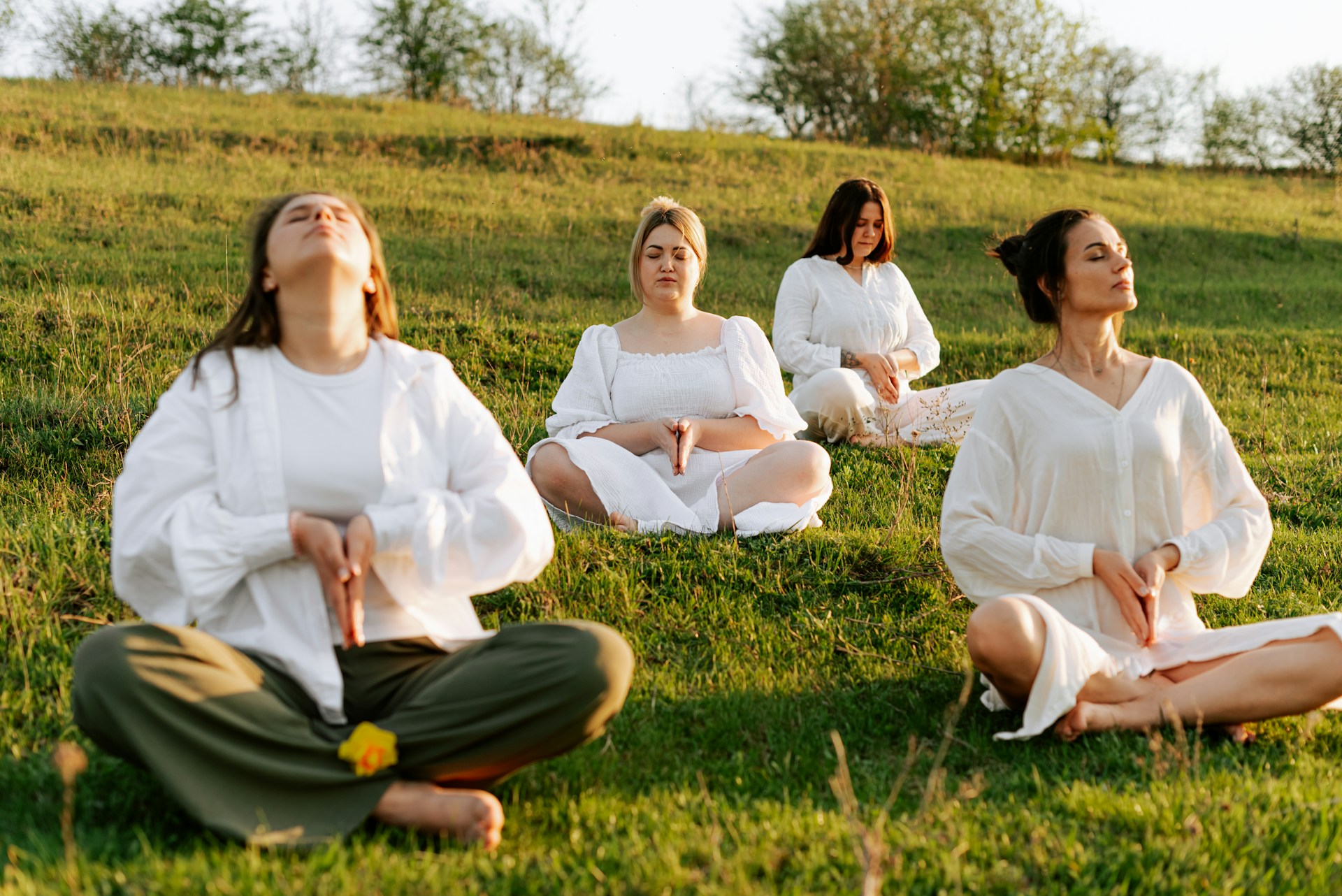
Living with pain can affect far more than the part of the body that hurts. It can change sleep, mood, focus, movement, and even the way a person handles daily tasks. While meditation does not remove every source of pain, it can change how the brain and body respond to uncomfortable sensations. In fact, learning mindful pain relief can help people notice discomfort without letting it control every thought. With regular practice, meditation may support relaxation, reduce stress, and create a healthier relationship with physical sensations.
Pain often becomes harder to manage when fear, tension, and worry build around it. For example, a painful sensation may cause someone to tighten their muscles. That tension can make the discomfort feel stronger, which creates even more stress. Meditation can interrupt this cycle. Instead of fighting each sensation, a person learns to observe it with curiosity and less judgment. Over time, this simple shift can make difficult moments feel more manageable.
Understanding How the Mind Responds to Physical Sensations
Pain starts with signals from the body, but the brain plays a major role in how those signals feel. Stress, poor sleep, fear, and past experiences can affect how strongly a person notices discomfort. Therefore, two people with similar physical problems may experience very different levels of pain.
Meditation helps by training attention. Rather than automatically treating every sensation as a threat, you practice noticing what is happening right now. You may recognize pressure, warmth, tightness, pulsing, or tingling instead of simply thinking, “This hurts.” That added detail can create mental space between the physical feeling and your emotional reaction.
This does not mean that pain exists only in the mind. Physical pain is real and may require medical care. However, thoughts and emotions can influence the experience. Meditation works with this part of the pain response, making it a useful addition to appropriate treatment and healthy daily habits.
Building Awareness Through Simple Breathing Exercises
Breathing meditation offers an easy starting point because you can practice almost anywhere. First, sit or lie in a comfortable position. Then allow your breathing to settle into its natural rhythm. You do not need to take unusually deep breaths. Instead, notice the feeling of air entering and leaving your body.
Your attention will eventually move toward pain, worries, sounds, or other thoughts. When that happens, gently return to your breathing. There is no need to become frustrated. In fact, noticing that your attention has wandered is part of meditation. Each return to the breath strengthens your ability to guide your focus.
A short session can still be useful. You might begin with five minutes and slowly increase the time as the practice becomes familiar. Consistency usually matters more than length. Therefore, a few calm minutes each day may be more helpful than one long session that feels difficult or stressful.
Exploring Each Area With a Gentle Body Scan
A body scan encourages you to notice physical sensations from one area to another. You might begin with your feet and slowly move upward toward your head. As you focus on each area, notice temperature, pressure, tension, softness, or other sensations without trying to change them immediately.
When you reach a painful area, avoid forcing yourself to stay focused there for too long. Instead, observe the sensation for a comfortable amount of time. Then shift attention to another part of your body. This approach reminds the brain that discomfort is only one part of your current experience.
Body scans can also reveal tension that you did not notice before. For instance, chronic discomfort may cause you to tighten your jaw, shoulders, hands, or stomach. Once you notice that tension, you can gently relax those muscles. As a result, the body may feel less guarded and more comfortable.
Using Visualization to Encourage Greater Comfort
Visualization adds imagination to meditation. During practice, you create a calming mental image and connect it with feelings of safety or relaxation. For example, you might picture yourself beside a quiet lake, in a peaceful garden, or resting in a comfortable room.
You can also imagine warmth or softness surrounding the painful area. Some people picture each breath creating more space around discomfort. Others imagine tension slowly leaving the body as they breathe out. There is no single correct image, so choose something that feels natural and calming.
Another useful approach involves meditation for chronic discomfort when pain continues for weeks or months. Instead of expecting visualization to erase every sensation, use it to lower stress and encourage relaxation. This realistic goal can make meditation easier to maintain because success does not depend on becoming completely pain-free.
Adding Compassion When Frustration Starts to Grow
Persistent discomfort can create anger, sadness, impatience, or disappointment. These reactions are understandable, yet harsh self-talk may add another layer of stress. Compassion meditation encourages a kinder response. You can acknowledge that the moment is difficult while reminding yourself that you deserve patience and care.
Try using a short phrase during meditation, such as “May I feel calm,” or “May I treat myself with patience.” Repeat it slowly while breathing naturally. At first, this practice may feel unusual. However, repetition can gradually make supportive thoughts easier to access during stressful moments.
Compassion can also change how you view your body. Instead of seeing the body as an enemy because it hurts, you can recognize that it may need support, rest, movement, or professional care. This mindset encourages healthier choices while reducing unnecessary self-criticism.
Creating a Routine That Fits Into Daily Life
Meditation works best when it becomes realistic rather than demanding. Choose a time when you can practice with fewer interruptions. For some people, morning works well. Others prefer a short session before bed or during an afternoon break. The best schedule is the one you can follow consistently.
Comfort also matters. You do not have to sit cross-legged on the floor. You can meditate in a supportive chair, recline, or lie down if that position feels better. If staying still increases discomfort, gentle walking meditation may offer another option. The goal is awareness, not holding a perfect pose.
It also helps to connect meditation with an existing habit. For example, practice after brushing your teeth or before turning off the lights at night. This simple connection makes the routine easier to remember. Furthermore, keeping sessions short at first can prevent meditation from feeling like another difficult task.
Supporting Long-Term Wellness With Consistent Practice
Meditation becomes more useful when you treat it as a skill rather than a quick fix. Regular natural pain coping techniques can help you respond to difficult sensations with greater awareness and less tension. Start with manageable sessions, pay attention to how your body responds, and adjust your approach when needed. Some days may feel peaceful, while other sessions may feel restless. Both experiences are normal parts of practice.
Most importantly, meditation should complement appropriate health care rather than replace it. New, severe, unexplained, or worsening pain deserves professional medical attention. When used responsibly, meditation can become one part of a broader plan that may include medical treatment, physical activity, healthy sleep, stress management, and supportive relationships. With patience and regular practice, you can build a calmer response to discomfort and create more room for comfort, focus, and meaningful daily experiences.