Exploring the wilderness offers adventure, freedom, and a chance to connect with nature. However, outdoor journeys can become risky when hikers lack navigation skills. Trails may change, signs can disappear, and weather conditions can make familiar areas look different. Learning wilderness navigation skills helps hikers travel with confidence and make safer decisions during their adventures. Map reading and GPS knowledge are valuable tools that support better route planning and location awareness. These skills are useful for beginners and experienced hikers because they reduce confusion and improve outdoor safety. Understanding how to use both traditional maps and modern technology creates a stronger foundation for successful wilderness exploration.
Understanding the Basics of Reading a Hiking Map
A hiking map is one of the most important tools for anyone exploring unfamiliar areas. Unlike regular road maps, hiking maps show natural features such as mountains, rivers, forests, and elevation changes. Learning how to read these details helps hikers understand the landscape before starting a journey. Map symbols provide important information about trails, water sources, campsites, and difficult terrain. By studying these features, hikers can create realistic plans and avoid unnecessary challenges. A map provides valuable information even when electronic devices are unavailable.
One of the most important parts of map reading is understanding contour lines. These lines show changes in elevation and help hikers recognize steep climbs or gentle slopes. Closely spaced contour lines indicate a steep area, while wider spaces usually represent flatter land. Learning this skill allows hikers to estimate a route’s difficulty before reaching it. Map scales are also important because they help determine distance between locations. With regular practice, hikers can become more comfortable using maps and making accurate decisions on the trail. GPS Skills can also support map reading by helping hikers compare their real location with digital information during outdoor trips.
Developing Direction Skills with a Compass
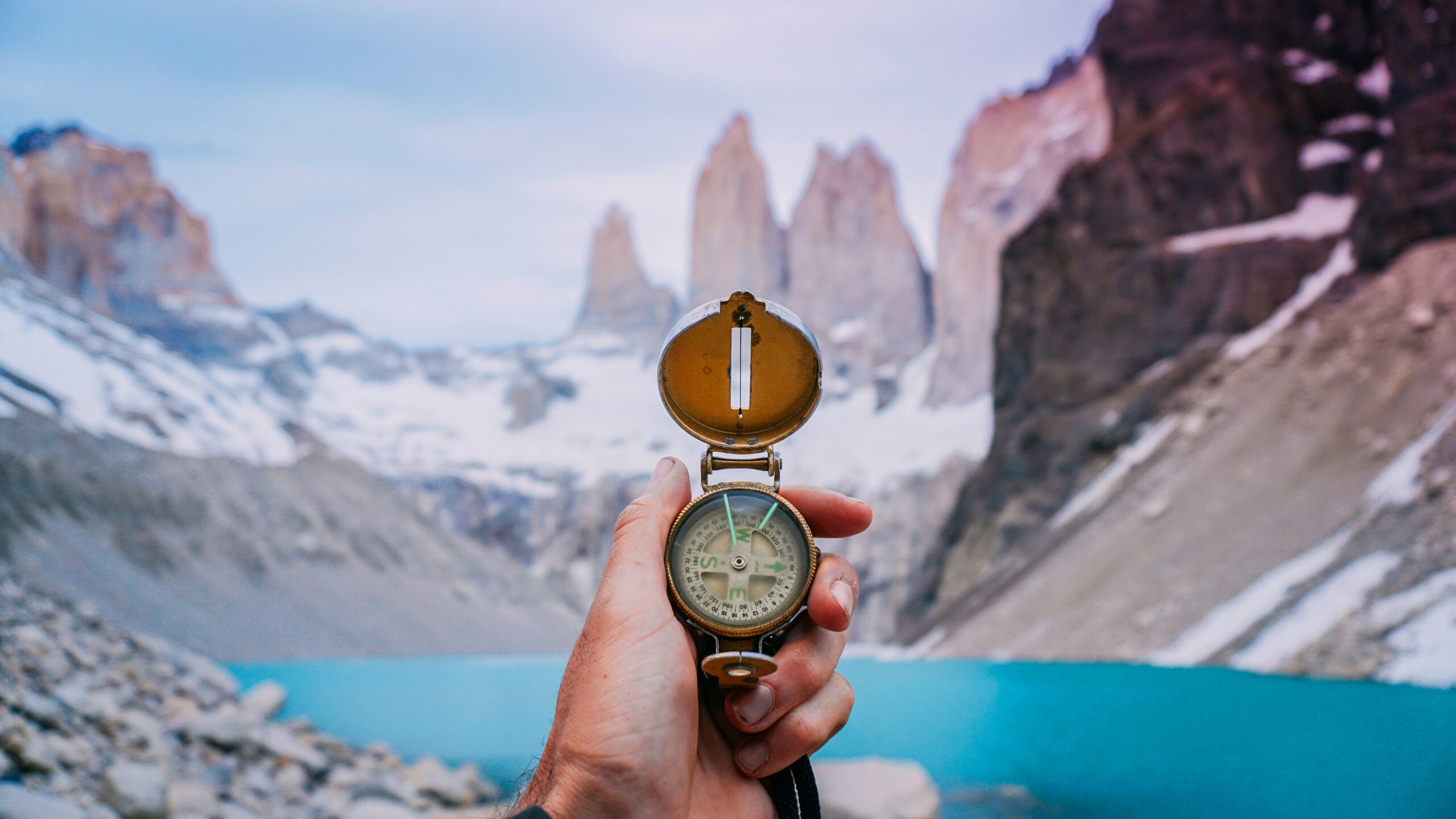
A compass is a simple but powerful navigation tool that has helped explorers for many years. Unlike electronic devices, a compass does not require batteries or a signal connection. It works by using Earth’s magnetic field to show direction. Learning how to use a compass allows hikers to find their way even in remote areas. When combined with a map, a compass becomes an effective navigation system that improves confidence in the wilderness.
Using a compass correctly requires understanding basic directions and navigation methods. Hikers should learn how to identify north, south, east, and west before practicing more advanced techniques. Taking a bearing helps determine the correct direction toward a specific location. Regular practice in different environments can improve accuracy and decision-making. Compass skills are especially valuable in poor weather, when visibility is limited. A strong understanding of direction helps hikers stay on track and avoid getting lost. GPS Skills can work alongside compass techniques by providing additional location details and helping hikers confirm their route choices.
Using GPS Technology for Modern Hiking Adventures
Modern technology has changed the way people navigate outdoor environments. GPS devices and smartphone applications provide detailed location information and route guidance. These tools can show a hiker’s exact position, track movement, and display important trail information. GPS technology makes navigation easier, especially for people exploring unfamiliar locations. However, hikers should understand that electronic tools are not perfect and should not be their only navigation method.
Battery life, weather conditions, and signal problems can affect GPS performance. This is why experienced hikers often combine digital tools with traditional navigation methods. Carrying a map and compass provides a reliable backup when technology fails. GPS Skills help hikers understand how to use digital navigation tools correctly and avoid common mistakes. Learning how to read digital maps, save routes, and check locations can make hiking experiences safer and more enjoyable. Developing strong GPS knowledge allows hikers to use technology as a support system rather than depending on it completely.
Planning Routes and Preparing Before Entering the Wilderness
Good navigation begins before a hiking trip starts. Planning a route helps hikers understand the distance, terrain, and possible challenges ahead. Before leaving, hikers should study maps, check weather conditions, and identify important landmarks. Knowing the planned route makes it easier to notice when something changes during the journey. Preparation also helps hikers choose the right equipment and estimate the time needed to complete the trip.
Sharing travel plans with others is another important safety step. A trusted person should know the hiking route, expected return time, and emergency information. Hikers should also carry essential navigation tools, including a map, compass, and GPS device when possible. Understanding the area before arriving creates greater confidence on the trail. Backcountry route-planning techniques help hikers make smarter decisions and respond more effectively to unexpected situations. GPS Skills can improve route preparation by allowing hikers to save important locations, review paths, and track progress during outdoor adventures.
Improving Navigation Confidence Through Practice and Experience
Navigation skills improve through regular practice and real-world experience. Reading about maps and GPS tools is helpful, but practical training creates a stronger understanding. Hikers can practice navigation in local parks or familiar outdoor areas before attempting difficult wilderness routes. Small challenges help build confidence and improve decision-making abilities. Over time, these skills become natural parts of every hiking adventure.
Learning from mistakes is also part of becoming a better navigator. Hikers may face situations where routes are unclear, or conditions change suddenly. Staying calm and reviewing available information can help solve navigation problems. Combining map knowledge, compass use, and GPS awareness creates a complete navigation approach. Advanced trail navigation methods help outdoor enthusiasts explore with greater confidence while staying prepared for unexpected conditions. GPS Skills remain an important part of modern hiking because they help travelers understand their position and make informed choices. With continued learning and practice, hikers can safely enjoy the wilderness while developing skills that support every future adventure.