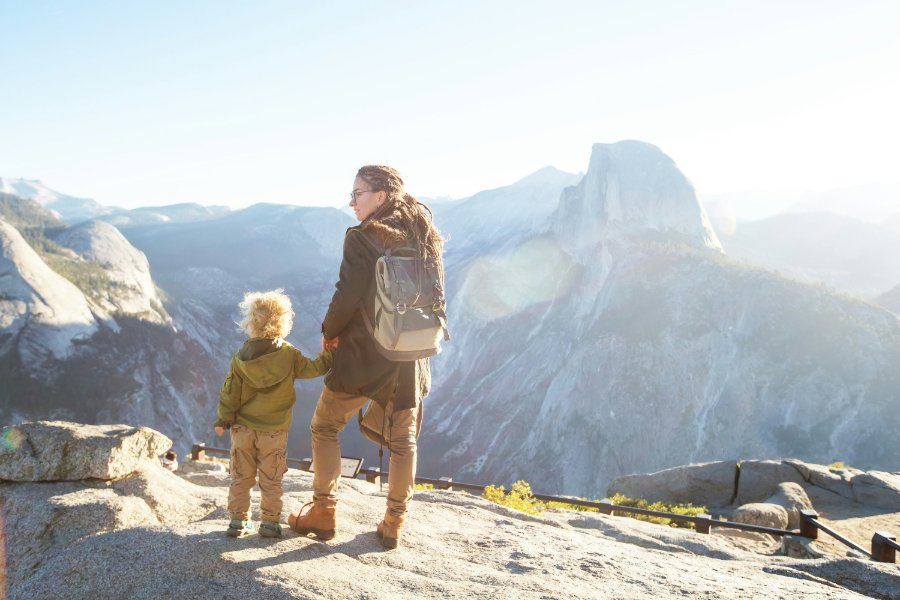
Exploring scenic trails with children is a wonderful way to enjoy nature, encourage healthy habits, and create lasting family memories. Outdoor adventures give children a chance to discover new surroundings, observe wildlife, and experience the beauty of natural landscapes. From peaceful forest paths to gentle mountain trails, every outdoor journey offers opportunities for learning and exploration. Parents can use these experiences to help children develop confidence, curiosity, and a stronger connection with the environment.
However, hiking with children requires thoughtful preparation. Young hikers may have different energy levels, physical abilities, and interests than adults. Choosing suitable trails, packing essential supplies, and planning regular breaks can make the experience more enjoyable. With the right approach, parents can turn a simple walk into an exciting family adventure that encourages children to appreciate outdoor activities.
Choose Scenic Trails That Match Your Child’s Abilities
Selecting the right trail is one of the most important parts of planning a family hiking trip. Parents should consider the children’s ages, fitness levels, and previous outdoor experiences before choosing a destination. Short, relatively flat trails are often suitable for younger children and beginners. These routes allow little hikers to explore without becoming overly tired. Families with older children may enjoy longer paths with gentle slopes, beautiful viewpoints, and interesting natural features.
Trail conditions also deserve attention. Parents should look for well-maintained walking paths with clear signs, safe surfaces, and accessible resting areas. Routes near lakes, forests, waterfalls, and open meadows can make hiking more exciting because children have different landscapes to explore. Checking trail descriptions and weather conditions before leaving home can help families avoid unexpected challenges. A suitable route allows everyone to enjoy the journey at a comfortable pace.
Prepare Essential Gear for a Comfortable Journey
Proper hiking gear helps children stay comfortable and protected throughout an outdoor adventure. Comfortable walking shoes with good grip can reduce discomfort and provide better support on uneven surfaces. Lightweight clothing is useful because temperatures can change during the day. Parents should also pack extra layers, hats, and weather-appropriate jackets. A small backpack can help older children carry their personal items and develop a sense of responsibility during family outings.
Other essential supplies include water bottles, healthy snacks, sunscreen, insect repellent, and a basic first aid kit. Parents should carry enough food and water for the entire journey, with additional supplies in case the hike takes longer than expected. Wet wipes, tissues, and spare clothing can also be helpful when exploring muddy or damp trails. Preparing these essentials in advance reduces unnecessary stress and allows families to focus on enjoying the natural surroundings.
Keep Children Interested Through Nature Exploration
Children often enjoy hiking more when they have interesting things to discover along the way. Instead of treating the journey as a simple physical activity, parents can turn it into an outdoor learning experience. Encourage children to notice different plants, colorful flowers, unusual rocks, and interesting cloud patterns. They can also listen for bird calls, observe butterflies, and look for animal tracks. These small discoveries make scenic trails more engaging and encourage curiosity about the natural world.
Parents can introduce simple nature games to maintain children’s interest. For example, children can search for different leaf shapes, identify natural colors, or count the birds they see from a distance. Older children may enjoy taking nature photographs or keeping a small outdoor journal. These activities make hiking feel less demanding and more entertaining. They also help children develop observation skills while learning about wildlife, ecosystems, and environmental responsibility.
Prioritize Safety Throughout the Hiking Adventure
Safety should always remain a priority when exploring scenic trails with children. Parents should explain basic hiking rules before starting the journey. Children need to understand why they should stay on marked paths, avoid unfamiliar plants, and never approach wild animals. Younger hikers should remain within sight of an adult, especially near streams, steep slopes, or slippery surfaces. Establishing simple rules helps children understand potential risks without making the experience frightening.
Parents should also monitor changing weather conditions and recognize signs of fatigue, dehydration, or discomfort. Taking regular breaks gives children time to drink water, eat snacks, and regain energy. A fully charged phone, a downloaded trail map, and knowledge of the route’s emergency access points can provide additional reassurance. Families should avoid taking unnecessary risks and turn back if trail conditions become unsafe. Careful supervision makes outdoor adventures more enjoyable and secure.
Make Breaks and Family Activities Part of the Plan
Children may not have the stamina to walk continuously for several hours. Planning regular breaks helps prevent exhaustion and keeps everyone in a positive mood. Parents can choose comfortable spots with scenic views where the family can sit, enjoy snacks, and appreciate the surroundings. A short picnic near a peaceful lake or an open meadow can become one of the most memorable parts of the trip. Flexible schedules also allow children to explore without feeling rushed.
Family activities can make these breaks even more enjoyable. Parents might encourage children to sketch a mountain view, photograph interesting scenery, or share their favorite discoveries from the trail. Simple conversations about the landscape can also create meaningful learning opportunities. Allowing children to participate in small decisions, such as choosing a resting spot or selecting the next activity, helps them feel involved. These shared experiences can strengthen family relationships and create positive memories.
Teach Children to Respect Nature and Protect Trails
Family hiking trips offer an excellent opportunity to teach children about environmental responsibility. Parents should encourage children to leave natural areas as they found them. This means carrying away food wrappers, avoiding damage to plants, and respecting wildlife. Children should understand that even small actions can affect natural habitats. Staying on designated paths also helps protect vegetation and prevents unnecessary damage to the surrounding environment.
Parents can lead by example by following responsible outdoor travel practices. They can explain why wild animals should be observed from a distance and why natural objects should remain where they belong. Teaching children to respect public trails encourages responsible habits that can continue into adulthood. These lessons also help future generations understand the importance of conservation and protecting natural beauty. When children learn to care for the environment, every family adventure becomes an opportunity to build lasting values.
Build Lasting Memories Through Regular Outdoor Adventures
Exploring scenic trails with children does not require expensive equipment or complicated travel arrangements. A nearby nature reserve, local forest, or peaceful countryside path can provide an enjoyable setting for family activities. Parents can begin with short weekend walks and gradually introduce more challenging routes as children become comfortable. Keeping expectations realistic allows everyone to enjoy the experience without unnecessary pressure.
The greatest value of family hiking comes from the time spent together. Children gain opportunities to develop physical confidence, discover new interests, and appreciate the outdoors. Parents also benefit from spending quality time away from busy routines and digital distractions. With thoughtful preparation, suitable trails, and a positive attitude, families can turn simple outdoor walks into meaningful adventures. These shared moments can inspire children to stay active and develop a lifelong appreciation for nature.